
On January 15, 2026, President Donald Trump issued a dramatic and unprecedented warning: he may deploy federal troops to suppress protests in Minneapolis if local leaders fail to control unrest linked to federal immigration enforcement. This announcement, centered on the possible invocation of the Insurrection Act, has sparked intense debate over executive power, civil rights, and the role of military force in domestic law enforcement.
What Sparked the Protests? Understanding the Context
The protests in Minneapolis did not arise in a vacuum. Demonstrations began after a series of aggressive federal immigration enforcement actions conducted by Immigration and Customs Enforcement (ICE) agents. In one incident, a federal officer fatally shot a woman named Renee Good, a local resident, fueling widespread anger and accusations of excessive force.
Tensions escalated further when another federal agent shot a man in the leg during an encounter in which the man allegedly attacked the officer. Thousands of residents, activists, and civil rights advocates poured into the streets, denouncing the federal actions and demanding accountability. Local authorities have described the protests as mostly peaceful but punctuated by confrontations with federal agents, tear gas, and arrests.
As protests grew, the administration sent nearly 3,000 additional federal officers to the area — a deployment labeled by the Department of Homeland Security as the largest in its history. This influx of agents has become a central flashpoint, with many community members feeling their presence escalates rather than calms the unrest.
The Threat: Invoking the Insurrection Act Explained
President Trump’s statement explicitly referenced the Insurrection Act, a rarely used federal law initially passed in 1807. The law grants the president authority to call in the U.S. military to suppress “insurrection, domestic violence, or unlawful combination.” Under normal circumstances, the Posse Comitatus Act bars the military from engaging in civilian law enforcement, but the Insurrection Act serves as a legal exception.
In his post on social media, Trump criticized Minnesota’s political leaders, calling them “corrupt politicians” and accusing protesters of being “professional agitators and insurrectionists.” He warned that if local authorities did not take control of the situation, he would use the Insurrection Act to “quickly put an end to the travesty that is taking place” in Minnesota.
While the Insurrection Act has been invoked about 30 times in U.S. history, its use has been limited and often controversial. Instances include deployment of federal forces during the Civil War and the 1992 Los Angeles riots — the latter at the request of local officials. Presidents have rarely exercised this power without state consent due to legal and constitutional concerns.
Federal Troops in American Cities: What It Would Really Mean
Deploying federal troops into cities to handle civilian protests is not simply a matter of issuing an order. It carries deep legal and societal implications. Under the Posse Comitatus Act, active-duty military forces are generally prohibited from engaging in day‑to‑day law enforcement activities. The Insurrection Act overrides this restriction only in specific and extreme situations.
Should Trump invoke the law, soldiers and federalized National Guard units could be authorized to enforce curfews, make arrests, and conduct searches — duties normally reserved for civilian police. This raises major questions about civil liberties, states’ rights, and limits of executive authority.
Many legal experts caution that such a move could lead to extensive court challenges. State governors traditionally have authority over their National Guard units unless those units are federalized. Deploying federal troops without local government approval could trigger constitutional disputes, especially regarding the balance between national and state power.
Responses from Local and State Leaders
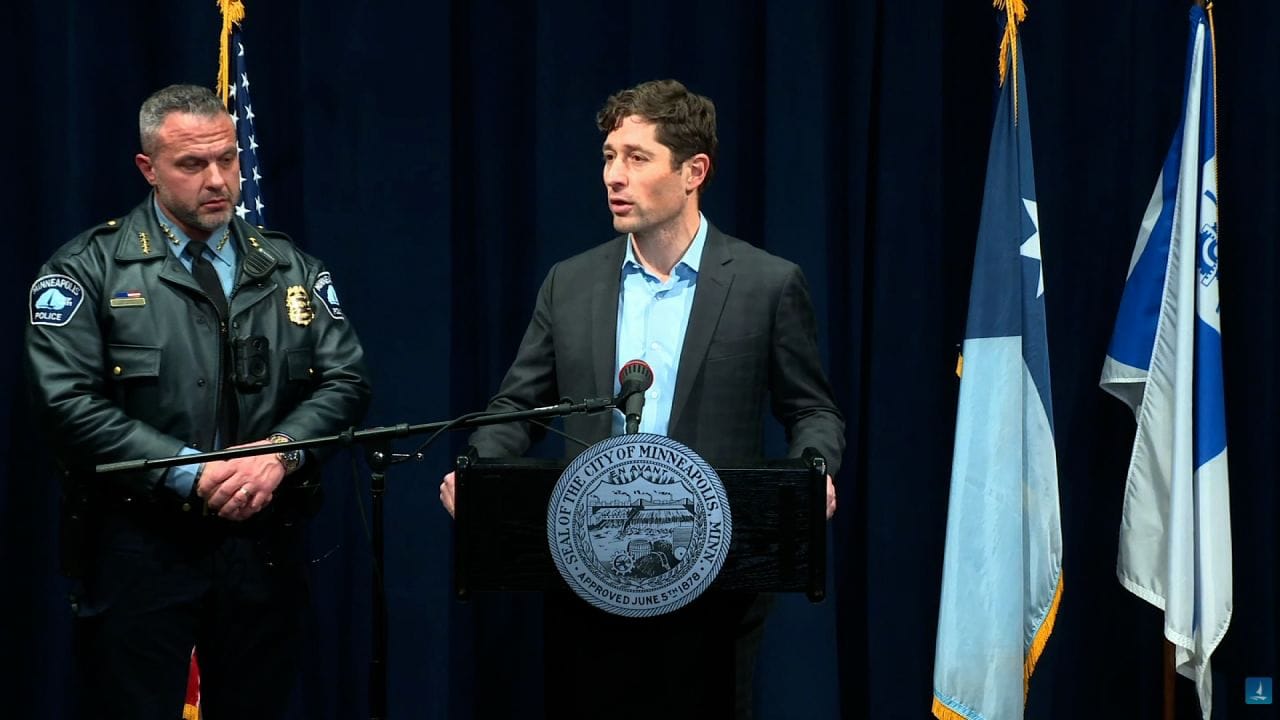
Minnesota leaders reacted quickly to Trump’s threat. Governor Tim Walz and Minneapolis Mayor Jacob Frey have condemned the idea of a military presence on their streets, arguing that further militarization could inflame tensions rather than reduce them. Officials have demanded federal agents withdraw and have pushed for independent investigations into the fatal shooting of Good and other enforcement actions.
The state attorney general also pledged legal action to challenge any attempted escalation, emphasizing the importance of constitutional limits on presidential authority and protecting citizens’ rights to assembly and protest.
Public Opinion and National Debate
Public opinion on this issue is sharply divided. Many conservatives support strong federal action, arguing that protests have disrupted public safety and challenged the rule of law. They see the use of federal troops as a necessary enforcement measure when local authorities appear unable to control disorder.
Critics, including civil rights organizations and some legal scholars, warn that deploying military force against civilian populations sets a dangerous precedent. They argue that the First Amendment protects peaceful assembly and that federal intervention risks escalating violence and undermining democratic norms.
A recent Reuters/Ipsos poll showed a split among Republicans about whether immigration enforcement should focus on arrests or on minimizing harm to individuals, reflecting broader uncertainty within the party and among the general public.
The Bigger Picture: Federal Authority vs. Local Autonomy
This confrontation highlights a bigger national struggle: the tension between federal authority and local autonomy. In a federal system, local and state governments are generally responsible for maintaining public order within their borders. When Washington intervenes, especially with military force, it raises crucial questions about where power should rest in a democracy.
For many, the debate is not just about one city or one set of protests. It touches on fundamental questions of governance, the role of protest in society, and how far executive power can go in dealing with dissent.
Looking Ahead: What Comes Next?
At this moment, Minnesota remains tense. Protesters continue their demonstrations, and federal agents remain deployed. Whether Trump ultimately invokes the Insurrection Act remains uncertain, but his threat alone has already reshaped public discourse and triggered legal and political battles.
The next days and weeks are likely to see further developments, including possible lawsuits challenging federal authority, ongoing talks between state and federal officials, and continued national debate about civil rights, public safety, and executive power.