Tesla has announced a major shift in how it will offer its driver-assist technology to vehicle owners worldwide. Starting February 14, 2026, the company will end the option to buy Full Self-Driving (FSD) as a one-time purchase and instead make it available only through a monthly subscription, according to CEO Elon Musk.
Until now, U.S. Tesla owners had two paths to access FSD – paying a one-off fee of approximately $8,000 for permanent access, or subscribing at about $99 per month for ongoing access. Under the new strategy, the one-time purchase option will be discontinued, and customers will only be able to access FSD on a subscription basis after mid-February.
This change marks a significant shift in Tesla’s approach to monetizing its software features. As Tesla’s electric vehicles grow in sales and software complexity, recurring revenue from subscriptions can boost long-term earnings without needing additional hardware sales. Elon Musk shared the update on his social media platform X, saying Tesla will stop selling FSD outright and focus solely on monthly access going forward.
What Is Tesla’s FSD?
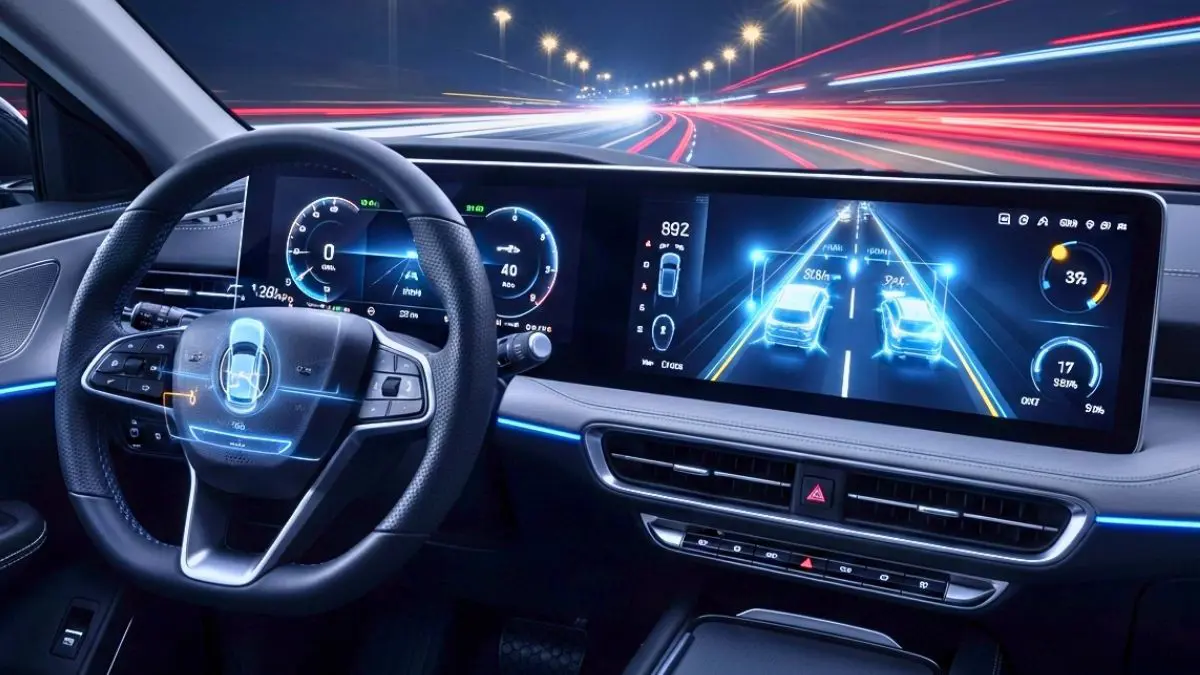
Tesla’s Full Self-Driving (FSD) package – now officially referred to in many markets as FSD (Supervised) – is the company’s most advanced driver assistance system. It builds on the core Autopilot features and adds more complex capabilities such as:
- Lane changes
- Traffic signal and stop sign recognition
- Navigation through city streets
- Autopark and Summon functions
Despite its name, FSD does not make a Tesla fully autonomous. Drivers must remain alert, supervise the system, and be ready to take control at all times. Authorities and industry groups classify the system at SAE Level 2 automation, meaning a driver is always expected to remain engaged.
Reason Behind the Subscription Shift
A key driver for this strategic transition appears to be mounting scrutiny from regulators. The U.S. National Highway Traffic Safety Administration (NHTSA) opened an investigation into nearly 2.9 million Tesla vehicles equipped with FSD after reports of safety violations and a string of crashes linked to the system’s use. These pressures have increased public and regulatory focus on how semi-autonomous systems are marketed and used.
By moving to a subscription model, Tesla gains two advantages. First, it can continually update and improve FSD software through over-the-air updates, offering more frequent improvements without relying on hardware sales. Second, recurring subscription revenue enhances business predictability and reduces reliance on high upfront financing from buyers. Subscription models also make the system accessible to owners who prefer flexibility over long-term financial commitments.
Impact on Tesla Owners
For existing owners who already purchased FSD outright before the cutoff date, Tesla has not yet published detailed transition policies. Some owners have expressed concern online about whether their legacy FSD purchases will receive free updates or conversion benefits under the new model. There are unverified discussions suggesting Tesla might offer retrofits once a future “unsupervised” version is ready, though nothing official has been confirmed.
Under the current system, eligible Teslas – those equipped with the necessary FSD computer hardware – can subscribe to FSD features via the Tesla mobile app or directly through the vehicle’s touchscreen interface. Subscriptions are flexible: owners can start or stop monthly service as needed, without long-term commitment.
Regulatory and Safety Context
The timing of the subscription announcement coincides with broader debates over autonomous vehicle safety. Critics have argued that branding the system as “Full Self-Driving” could mislead consumers, given that it still requires human supervision. Regulatory bodies and safety advocates have repeatedly emphasized transparent naming and clear user expectations for any automation feature.
Tesla’s continued development of autonomous technologies; including the Robotaxi initiative and experimental transport systems – remains central to its long-term vision. Early versions of Tesla’s robotaxi service have faced operational challenges and regulatory scrutiny, further highlighting the complexity of fully autonomous systems.
What This Means for the Future
Tesla’s move to an FSD subscription-only model represents a strategic leap toward software. Centric revenue and reflects the evolving landscape of automotive technology. As advanced driver-assistance systems become more capable and complex. Subscription access ensures customers can adopt the latest improvements without purchasing new vehicles or hardware.
However, the shift also underscores existing limitations – today’s FSD still requires driver involvement. And regulators continue to examine how automation systems are both tested and deployed on public roads. For Tesla and its customers, the subscription model may signal a long transition period toward genuinely autonomous driving technology.